When Little Lies Create Big Consequences: Lessons from David's Flight
The story of David's escape from King Saul reads like a political thriller complete with assassination plots, midnight escapes, and palace intrigue. But beneath the drama lies profound wisdom about truth-telling, conspiracy, and trusting God when powerful people turn against us.

A Conspiracy Unfolds
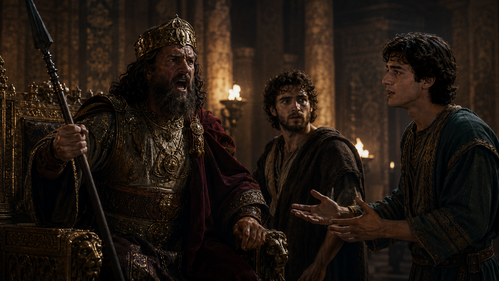
King Saul's obsession with eliminating David had reached a breaking point. No longer content to work behind the scenes, manipulating circumstances and hoping the Philistines would do his dirty work, Saul gathered his inner circle his son Jonathan and his trusted servants and openly urged them to assassinate David.
This wasn't merely murder; it was political assassination. Saul needed David eliminated for reasons of state, to preserve what he believed was his rightful dynasty. The conspiracy was real, deliberate, and deadly.
Yet in the midst of this darkness, integrity shone through an unexpected source. Jonathan, bound by covenant to David, stood up to his father. He reminded Saul of David's faithfulness, his victory over Goliath, and his loyal service. "Why should you murder an innocent man?" Jonathan pleaded. "There is no reason for it at all."
Remarkably, Saul listened. He even made a vow: "As surely as the Lord lives, David will not be killed." Jonathan brought David back to the palace, and for a brief moment, it seemed the crisis had passed.
But vows made in moments of clarity often crumble under the weight of unchecked emotions.
King Saul's obsession with eliminating David had reached a breaking point. No longer content to work behind the scenes, manipulating circumstances and hoping the Philistines would do his dirty work, Saul gathered his inner circle his son Jonathan and his trusted servants and openly urged them to assassinate David.
This wasn't merely murder; it was political assassination. Saul needed David eliminated for reasons of state, to preserve what he believed was his rightful dynasty. The conspiracy was real, deliberate, and deadly.
Yet in the midst of this darkness, integrity shone through an unexpected source. Jonathan, bound by covenant to David, stood up to his father. He reminded Saul of David's faithfulness, his victory over Goliath, and his loyal service. "Why should you murder an innocent man?" Jonathan pleaded. "There is no reason for it at all."
Remarkably, Saul listened. He even made a vow: "As surely as the Lord lives, David will not be killed." Jonathan brought David back to the palace, and for a brief moment, it seemed the crisis had passed.
But vows made in moments of clarity often crumble under the weight of unchecked emotions.
When Success Becomes a Threat
War broke out again with the Philistines, and David led his troops with such fury that the enemy fled. Another victory. Another reason for the people to celebrate David. And another trigger for Saul's jealousy.
Sitting in his palace with spear in hand, Saul felt the tormenting spirit overtake him once more. David came to play his harp, hoping to soothe the troubled king as he had done before. But this time, Saul's rage erupted into action. He hurled the spear directly at David.
David dodged. The spear stuck in the wall. And David fled into the night.
This marked the second time Saul had personally attempted to kill David. The king's vow meant nothing when jealousy consumed him. When the Spirit of God departs and leaves a spiritual vacuum, darker forces rush in to fill the void.
War broke out again with the Philistines, and David led his troops with such fury that the enemy fled. Another victory. Another reason for the people to celebrate David. And another trigger for Saul's jealousy.
Sitting in his palace with spear in hand, Saul felt the tormenting spirit overtake him once more. David came to play his harp, hoping to soothe the troubled king as he had done before. But this time, Saul's rage erupted into action. He hurled the spear directly at David.
David dodged. The spear stuck in the wall. And David fled into the night.
This marked the second time Saul had personally attempted to kill David. The king's vow meant nothing when jealousy consumed him. When the Spirit of God departs and leaves a spiritual vacuum, darker forces rush in to fill the void.

The Danger of a "Little White Lie"
With Saul's assassination attempt failed, he sent soldiers to David's house with orders to watch it through the night and kill David in the morning. But Michal, David's wife and Saul's daughter, learned of the plot.
She warned David: "If you don't run for your life tonight, tomorrow you'll be killed."
Michal helped David escape through a window. Then, to buy him time, she created a decoy in the bed a figure covered with blankets and goat's hair at the head to simulate a sleeping person. When the soldiers came, she told them David was ill.
The ruse worked temporarily. But when the soldiers reported back, Saul ordered them to bring David to the palace in his bed if necessary. "I'll kill him myself," Saul declared.
The deception was discovered. Michal was brought before her father. And here's where a moment of truth could have changed everything.
Instead of standing on the covenant she had with David a covenant even stronger than Jonathan's because she and David were one flesh Michal told a lie. She claimed David had threatened to kill her if she didn't help him escape.
It seemed like a convenient way out of trouble. A small fabrication to appease her angry father. But that "little white lie" had massive consequences.
Saul now had justification to brand David as an outlaw and enemy of the state. David wasn't just running from a jealous king anymore; he was officially a fugitive from the government, hunted by soldiers with legal authority to kill him on sight.
What Michal thought would protect her actually endangered David far more. Her lie gave Saul the political cover he needed to pursue David relentlessly until Saul's death years later.
The relationship between David and Michal never fully recovered. Though she was his first wife, she would never again be his priority. The trust had been broken by a lie told in a moment of fear.
With Saul's assassination attempt failed, he sent soldiers to David's house with orders to watch it through the night and kill David in the morning. But Michal, David's wife and Saul's daughter, learned of the plot.
She warned David: "If you don't run for your life tonight, tomorrow you'll be killed."
Michal helped David escape through a window. Then, to buy him time, she created a decoy in the bed a figure covered with blankets and goat's hair at the head to simulate a sleeping person. When the soldiers came, she told them David was ill.
The ruse worked temporarily. But when the soldiers reported back, Saul ordered them to bring David to the palace in his bed if necessary. "I'll kill him myself," Saul declared.
The deception was discovered. Michal was brought before her father. And here's where a moment of truth could have changed everything.
Instead of standing on the covenant she had with David a covenant even stronger than Jonathan's because she and David were one flesh Michal told a lie. She claimed David had threatened to kill her if she didn't help him escape.
It seemed like a convenient way out of trouble. A small fabrication to appease her angry father. But that "little white lie" had massive consequences.
Saul now had justification to brand David as an outlaw and enemy of the state. David wasn't just running from a jealous king anymore; he was officially a fugitive from the government, hunted by soldiers with legal authority to kill him on sight.
What Michal thought would protect her actually endangered David far more. Her lie gave Saul the political cover he needed to pursue David relentlessly until Saul's death years later.
The relationship between David and Michal never fully recovered. Though she was his first wife, she would never again be his priority. The trust had been broken by a lie told in a moment of fear.

Truth-Telling in a World of Conspiracies
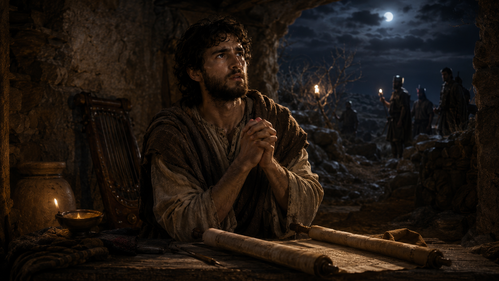
David's response to these events reveals a heart surrendered to God. Scholars believe he wrote Psalm 59 during this crisis. The introduction reads: "A Psalm of David, regarding the time that Saul sent soldiers to watch David's house in order to kill him."
The psalm begins with raw honesty: "Rescue me from my enemies, O God. Protect me from those who have come to destroy me. Rescue me from these criminals; save me from these murderers."
David recognized the conspiracy for what it was criminal, murderous, unjust. But he didn't take matters into his own hands. He didn't retaliate. He took his case to God.
There's wisdom here for us. Yes, conspiracies exist. The Bible acknowledges them. Groups do plot together to accomplish unlawful or harmful things for political, ideological, or personal reasons. David experienced a genuine conspiracy to assassinate him.
But the prophet Isaiah offers crucial balance: "Don't call everything a conspiracy like they do, and don't live in dread of what frightens them" (Isaiah 8:12).
We can become so consumed with seeing conspiracies behind every event that we live in constant fear and miss the good around us. We forget that God remains in control.
David's response to these events reveals a heart surrendered to God. Scholars believe he wrote Psalm 59 during this crisis. The introduction reads: "A Psalm of David, regarding the time that Saul sent soldiers to watch David's house in order to kill him."
The psalm begins with raw honesty: "Rescue me from my enemies, O God. Protect me from those who have come to destroy me. Rescue me from these criminals; save me from these murderers."
David recognized the conspiracy for what it was criminal, murderous, unjust. But he didn't take matters into his own hands. He didn't retaliate. He took his case to God.
There's wisdom here for us. Yes, conspiracies exist. The Bible acknowledges them. Groups do plot together to accomplish unlawful or harmful things for political, ideological, or personal reasons. David experienced a genuine conspiracy to assassinate him.
But the prophet Isaiah offers crucial balance: "Don't call everything a conspiracy like they do, and don't live in dread of what frightens them" (Isaiah 8:12).
We can become so consumed with seeing conspiracies behind every event that we live in constant fear and miss the good around us. We forget that God remains in control.
The Power of Speaking Truth
Jonathan's example stands in stark contrast to Michal's. Both had covenant obligations to David. Both loved him. But when confronted by Saul, Jonathan spoke truth even when it was uncomfortable. He defended David's innocence, reminded his father of David's service, and called the proposed assassination what it was sin.
Michal, facing a similar moment, chose the easier path of deception. The consequences haunted her marriage and David's life for years.
Truth-telling isn't always easy. Sometimes it's uncomfortable. Sometimes it costs us. But truth is always right. When we speak truth in love, we honor God and protect relationships. When we shade the truth to avoid discomfort, we often create far worse problems than we were trying to avoid.
Jonathan's example stands in stark contrast to Michal's. Both had covenant obligations to David. Both loved him. But when confronted by Saul, Jonathan spoke truth even when it was uncomfortable. He defended David's innocence, reminded his father of David's service, and called the proposed assassination what it was sin.
Michal, facing a similar moment, chose the easier path of deception. The consequences haunted her marriage and David's life for years.
Truth-telling isn't always easy. Sometimes it's uncomfortable. Sometimes it costs us. But truth is always right. When we speak truth in love, we honor God and protect relationships. When we shade the truth to avoid discomfort, we often create far worse problems than we were trying to avoid.
Standing Firm When Others Fall
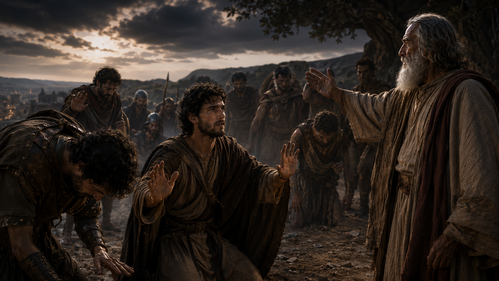
Perhaps the most remarkable part of this story is how God protected David even when human schemes seemed overwhelming. Saul sent troops three times to capture David at Ramah, where Samuel the prophet lived. Each time, the Spirit of God came upon the soldiers, and they began prophesying instead of arresting David.
Finally, Saul went himself. But before he could reach David, the Spirit of God came upon Saul too. He prophesied, removed his armor, and lay on the ground all day and night—a divine reproof of his murderous intentions.
Even this supernatural experience didn't change Saul's heart. But it protected David.
When we're living in God's will, when we're walking in integrity, God himself becomes our defender. We don't have to manipulate circumstances or shade the truth. We can trust that the same God who stopped Saul's soldiers with prophetic utterances can handle whatever conspiracy, opposition, or injustice we face.
The story of David's flight reminds us: speak truth, trust God, and remember that no human conspiracy can override divine protection.
Perhaps the most remarkable part of this story is how God protected David even when human schemes seemed overwhelming. Saul sent troops three times to capture David at Ramah, where Samuel the prophet lived. Each time, the Spirit of God came upon the soldiers, and they began prophesying instead of arresting David.
Finally, Saul went himself. But before he could reach David, the Spirit of God came upon Saul too. He prophesied, removed his armor, and lay on the ground all day and night—a divine reproof of his murderous intentions.
Even this supernatural experience didn't change Saul's heart. But it protected David.
When we're living in God's will, when we're walking in integrity, God himself becomes our defender. We don't have to manipulate circumstances or shade the truth. We can trust that the same God who stopped Saul's soldiers with prophetic utterances can handle whatever conspiracy, opposition, or injustice we face.
The story of David's flight reminds us: speak truth, trust God, and remember that no human conspiracy can override divine protection.
Posted in David: A Man After God\'s Own Heart
Posted in 1 Samuel 19, David, David and Saul, Jonathan and David, Michal and David, Bible Study, Old Testament, Conspiracy in the Bible, Assassination plots in Scripture, Lying and consequences, Little white lies, Covenant relationships, Jealousy and envy, God’s protection, Psalm 59, Trusting God’s sovereignty, Fear and conspiracies
Posted in 1 Samuel 19, David, David and Saul, Jonathan and David, Michal and David, Bible Study, Old Testament, Conspiracy in the Bible, Assassination plots in Scripture, Lying and consequences, Little white lies, Covenant relationships, Jealousy and envy, God’s protection, Psalm 59, Trusting God’s sovereignty, Fear and conspiracies
Recent
When Little Lies Create Big Consequences: Lessons from David's Flight Copy
July 9th, 2026
When Little Lies Create Big Consequences: Lessons from David's Flight
July 8th, 2026
Unwrapping the Spiritual Gifts
September 18th, 2025
The Incredible Design of Humanity
August 6th, 2025
Finding Balance in a Chaotic World
June 19th, 2025
Archive
2026
2025
April
June
September
No Comments